
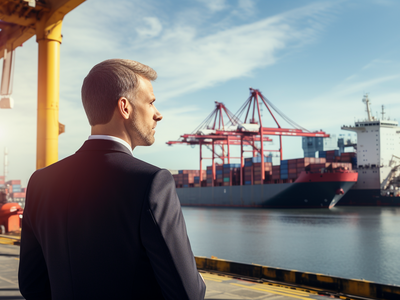
The United Kingdom (UK) has long been a global hub for international trade. Its strategic location, well-developed infrastructure, and historical ties with trading partners make it an attractive destination for businesses engaged in import and export activities. This article explores the intricate world of import and export operations in the UK, shedding light on the key players, processes, regulations, and challenges that define this dynamic sector.
1. The Role of Imports and Exports in the UK Economy
Import and export activities play a pivotal role in the UK's economy. The country's global trade relationships are vital for both its prosperity and economic stability. According to the UK Office for National Statistics (ONS), in 2020, the total value of UK imports and exports was £1.05 trillion, highlighting the significance of international trade to the nation.
Imports serve as a vital source of raw materials, components, and finished products that support various industries within the UK. Conversely, exports enable British businesses to reach new markets and diversify their customer base, ultimately driving economic growth.
2. Key Players in the Import and Export Business
a. Importers and Exporters: These are the businesses or individuals engaged in buying and selling goods across international borders. They can be manufacturers, wholesalers, retailers, or specialized trading companies.
b. Freight Forwarders: Freight forwarders are intermediaries that manage the logistics of importing and exporting goods. They arrange transportation, handle customs documentation, and ensure that goods reach their destination efficiently.
c. Customs Brokers: Customs brokers assist importers and exporters in navigating the complex web of customs regulations and procedures. They help with paperwork, tariff classification, and customs clearance.
d. Shipping and Transport Companies: Shipping companies and logistics providers are responsible for moving goods from one location to another, whether by sea, air, road, or rail. Their efficiency is crucial to the success of international trade.
e. Government Agencies: HM Revenue and Customs (HMRC) is the primary government agency overseeing customs and trade regulations in the UK. Other agencies, such as the Department for International Trade (DIT), also play significant roles in promoting and regulating trade.
3. Import Procedures in the UK
Importing goods into the UK involves several steps and compliance with various regulations:
a. Importer Registration: Importers must register with HMRC and obtain an Economic Operator Registration and Identification (EORI) number.
b. Customs Documentation: Importers need to complete customs declarations, providing information about the imported goods, their value, origin, and intended use.
c. Tariffs and Duties: Depending on the nature of the goods, importers may be required to pay tariffs or duties. The UK Global Tariff outlines the applicable rates.
d. Customs Clearance: Goods must clear customs before entering the UK. This process involves inspections, compliance checks, and verification of documentation.
e. VAT and Taxation: Importers may be liable for Value Added Tax (VAT) and other taxes, depending on the goods and their value.
4. Export Procedures in the UK
Exporting goods from the UK also entails a series of steps:
a. Exporter Registration: Similar to importers, exporters must register with HMRC and obtain an EORI number.
b. Export Documentation: Exporters must complete customs declarations, including details about the goods, their destination, and their intended use.
c. Export Licenses: Some goods require export licenses, particularly those subject to export controls, sanctions, or restrictions.
d. Compliance with Destination Country Regulations: Exporters must ensure that their goods comply with the regulations and requirements of the destination country.
e. Shipping and Logistics: Exporters must arrange transportation, which includes selecting appropriate shipping methods, packaging, and insurance.
5. Trade Agreements and Brexit Implications
The UK's decision to leave the European Union (Brexit) has had a profound impact on its import and export operations. The UK has negotiated various trade agreements with different countries and trading blocs to establish new trade relationships. The UK-EU Trade and Cooperation Agreement, for instance, governs trade between the UK and the EU.
However, Brexit has also introduced additional complexities and regulatory changes. New customs procedures, border checks, and paperwork requirements have added friction to cross-border trade. Importers and exporters have had to adapt to these changes and invest in compliance measures to continue their operations smoothly.
6. Challenges in the Import and Export Business
a. Regulatory Complexity: Import and export operations are subject to a multitude of regulations and paperwork, which can be daunting for businesses, especially newcomers to international trade.
b. Tariffs and Trade Barriers: Tariffs and trade barriers can significantly impact the cost and profitability of international trade, making it essential for businesses to carefully assess their potential impact.
c. Currency Fluctuations: Exchange rate fluctuations can affect the competitiveness of products in foreign markets and impact the financial stability of importers and exporters.
d. Supply Chain Disruptions: Events like the COVID-19 pandemic have highlighted the vulnerabilities of global supply chains, necessitating risk mitigation strategies.
e. Compliance and Documentation: Ensuring compliance with customs regulations and maintaining accurate documentation is a continuous challenge for businesses.
Conclusion
The import and export business in the United Kingdom is a dynamic and essential component of its economy. While it offers numerous opportunities for growth and expansion, it also presents numerous challenges and complexities, particularly in the post-Brexit era.
To succeed in the world of international trade, businesses in the UK must stay informed about changing regulations, invest in efficient logistics and compliance measures, and adapt to evolving trade relationships and market dynamics. As the UK continues to forge new global trade partnerships and navigate the ever-changing landscape of international commerce, it remains a significant player in the global import and export arena.